OUR HISTORY.
Compiled by our former Artistic Director, Cec Darker.
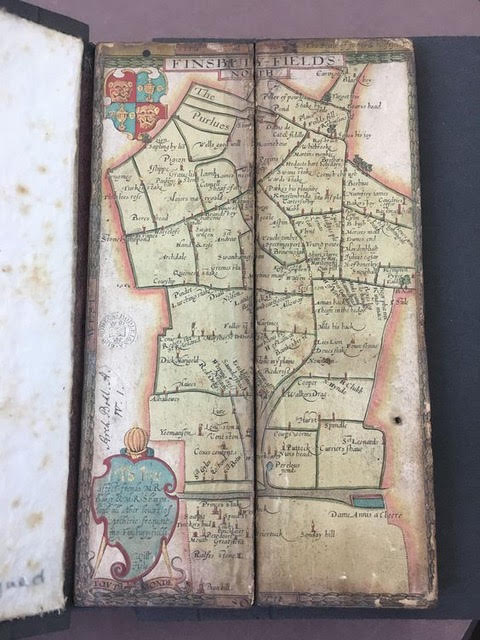
The earliest mention we have of a Rosemary Branch was on William Hole’s Map of archery targets in 1594. There were 194 of these marks, usually made of stone, and a few of the names on the map help us identify their locations: Bunhill at the south, 'St Leonard's to the east, and Rosemary Branch to the north, named after a nearby inn and shown here as "Ros=brach”. The site was by a tributary, or branch, of the river that later became The Regent’s Canal.
During the 1640s, The Rosemary Branch became one of the meeting places of a political movement known as The Levellers.
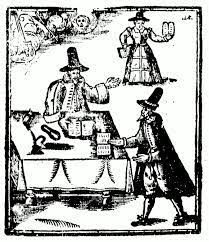
Committed to popular sovereignty, extended suffrage, equality before the law and religious tolerance, they were the first political party to reach the public through pamphlets and petitions as well as public speeches. Followers included a number of City folk along with some regiments of the New Model Army, led by Oliver Cromwell. They wore a sprig of rosemary in their hats as they gathered at The Rosemary Branch Inn which remained popular and was the only building known to have existed in South East Islington in 1716.
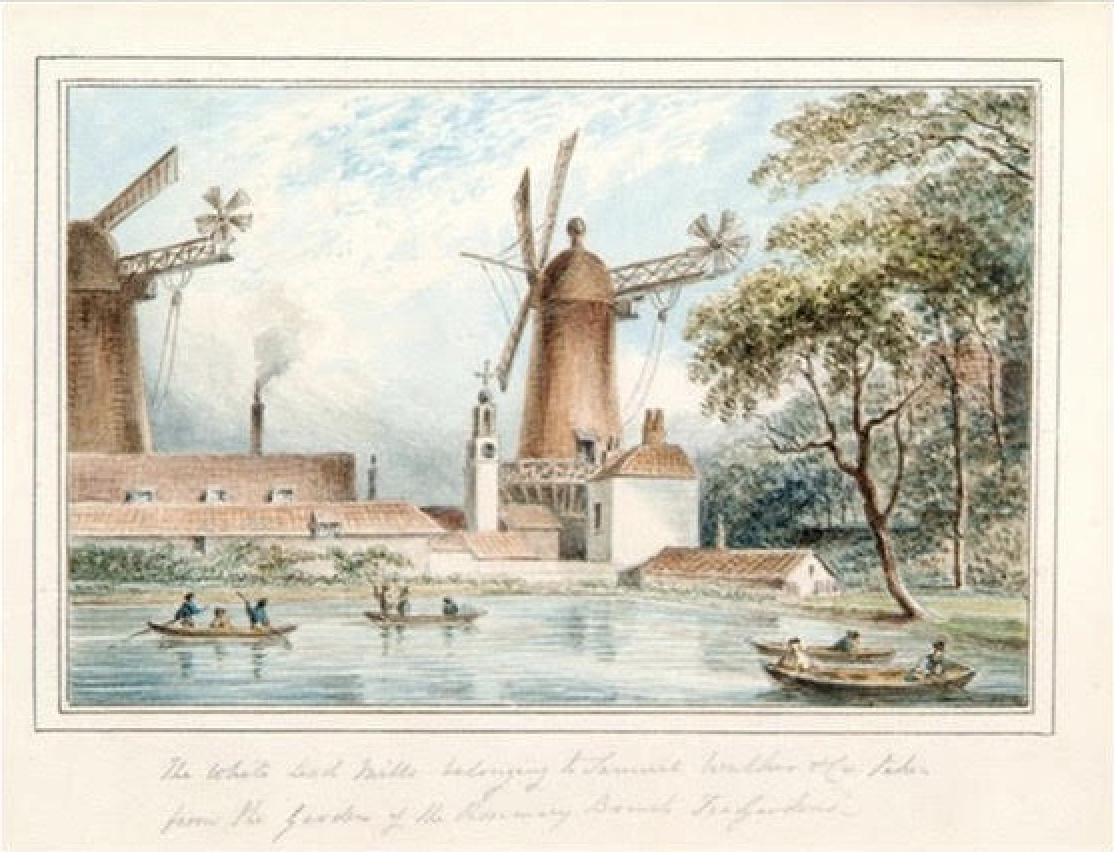
In the early 1780s the building was demolished to make way for a white lead works powered by two distinctive and innovatively designed windmills which were used to grind the lead. These became notable local landmarks and a new Rosemary Branch Inn was built in their shadow along with a pond for boating in the summer and skating in the winter - the water was supplied by the New River. The inn was very well placed to benefit from the construction of The Regent’s Canal during the early 1820s and for the considerable water traffic it has generated ever since. Up until the mid 20th century the surrounding area was alive with workshops, warehouses and light industry businesses. Barges loaded up with imported timber from Limehouse supplied the dozens of furniture makers lining the canal around Islington and Hackney.
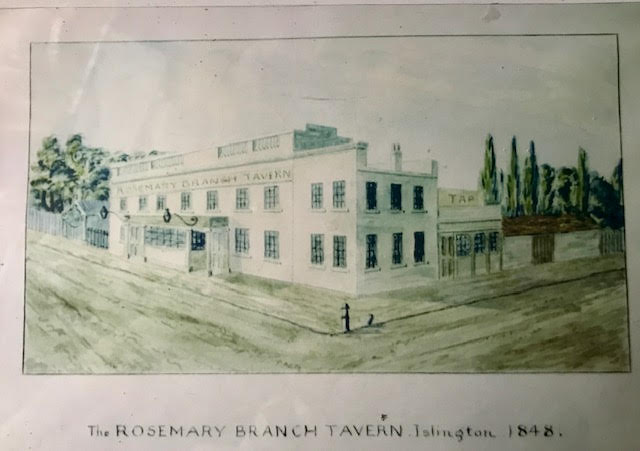
The new inn was built on the actual parish boundary between Islington Common and an ancient footpath leading to the City. It was perfectly placed to do great business and its spacious tea gardens became a magnificent centre of entertainment said to rival Vauxhall Pleasure Gardens during the mid-19th century. There were balloon ascents, pony races, tightrope walking, concerts, grand masquerades, dancing, and even “drawing room gymnastic entertainments.”
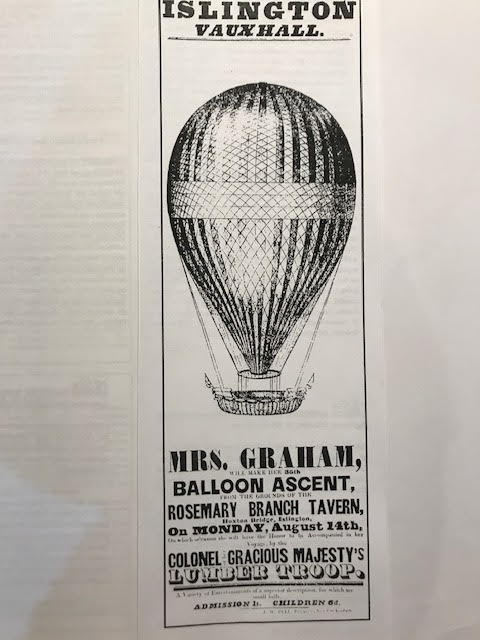
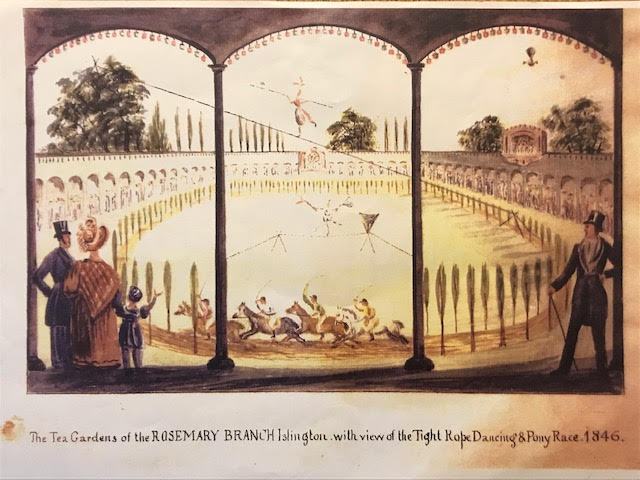
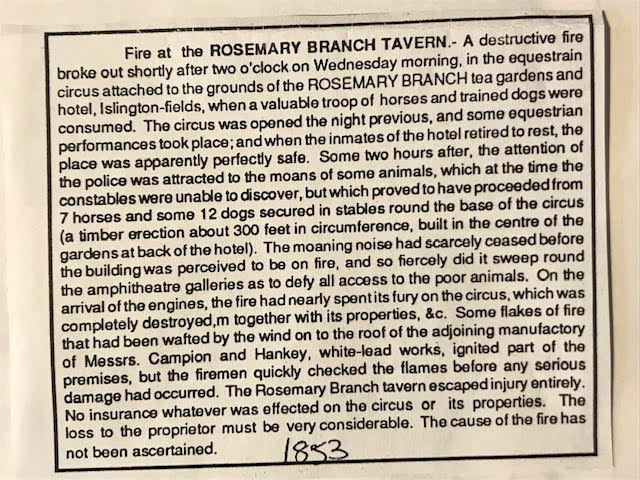
Fire was a constant threat.
By the 1850s The Rosemary Branch was licensed as a music hall and punters could catch a nearby omnibus to take them home to other parts of London. The current building dates from some time in the 1870s and rumour has it that Marie Lloyd performed there when very young and undiscovered, so did Dan Leno, Little Titch and maybe even Charlie Chaplin who began his career in music halls before he made it big in America.
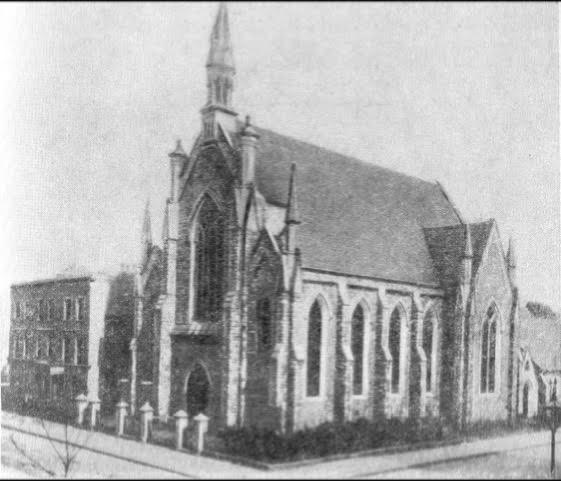
On Southgate Road where Tesco stands today, a stone’s throw from The Rosie, was The Brotherhood Church. It was demolished in 1934 after years of often violent meetings had taken their toll on the fabric of the building. In the early years of the 20th century it was a hotbed of socialism often bordering on anarchy. A notable event was the Congress of the Russian Social-Democratic Labour Party in 1907 which was attended by virtually all the prominent figures of both the Bolshevik and Menshevik wings of the Party. Among those present were Lenin, Stalin, Trotsky, Plekhanov, Gorky, Zinoviev and Rosa Luxemburg. A few years later it became a centre for women’s suffrage and anti war activities, speakers included Annie Besant, Sylvia Pankhurst, Keir Hardie, Tom Mann and George Lansbury. Did they nip across the road for a pint after plotting and protesting?
Left wing politics continued to find a home at the Rosemary Branch. When fascist leader Sir Oswald Moseley tried to canvas support for the 1966 General Election by holding meetings there, he was given short shrift by the locals who booed him off and he ended up with only 4% of the total vote. The South Islington Labour Party liked to meet there and Ken Livingstone dropped in to a fundraiser hosted by Jo Brand while campaigning to be London Mayor in the late 1990s.
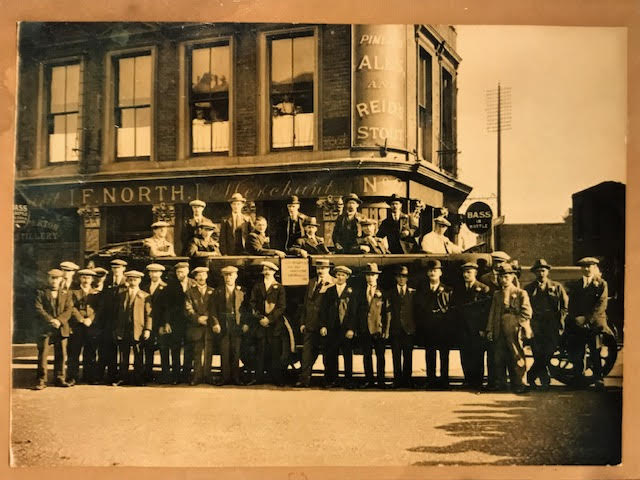
After WW1, the “ Jolly Boys”, a group of working men, would save up their money for a day trip to the seaside in a charabanc. These uncomfortable vehicles would transport them to and from Margate or Southend, probably with a barrel or two of beer on board and a good time would be had by all. Here is the 1924 outing starting out from The Rosemary Branch.
Just across the canal lies the Gainsborough Studios, now a block of fancy flats redeveloped in the late 90s. Originally a power station it was bought up by a Hollywood based film company who wanted to make films in the UK. In 1924 they sold it to Michael Balcon who started Gainsborough Pictures. They made many low budget popular movies up until 1949 when they were bought out by Rank. Alfred Hitchcock started his career there in 1919 and worked his way up to directing several Gainsborough pictures.
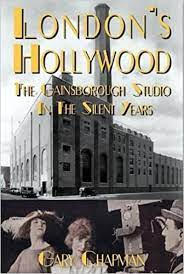
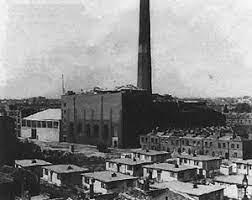
The building fell into disrepair, being briefly used as a pop up theatre by The Almeida in 2000 for productions of Coriolanus and Richard II starring Ralph Fiennes who would often frequent The Rosie for lunch or post-rehearsal drinks as there was absolutely nothing else around.
During the '80s The Rosemary Branch was a thriving comedy, music and fringe theatre venue, hosting young Comedy Store talent like Julian Clary with Fanny the Wonder Dog. But the management changed hands, the safe got robbed, and in the early ‘90s it was a squat. The commercial traffic had more or less disappeared from the canal and Hackney was one of the poorest boroughs in London. The pub which stood right on the edge of Hoxton, de Beauvoir and Islington found itself off the beaten track rather than in the centre of it. Regeneration was still around the corner and gradually The Gainsborough Studios were converted into flats, the furniture factory opposite housed many artists (many of whom exhibited their work in the pub) and a recording studio in the same building saw the likes of Pete Doherty and Paloma Faith split their time between pub and studio.
The current owners took a chance and bought The Rosemary Branch outright in 1993 and reopened it as soon as the new paint was dry. Actor Cleo Sylvestre, journalist Angela Neustatter and co-owner and ex teacher Cecilia Darker took over the running of the theatre in 1996. Angela stepped back soon after owing to professional commitments, but Cec and Cleo ran it until 2016 when they felt it was time to let the next generation take over. They prided themselves in making The Rosemary Branch Theatre a safe and welcoming space for experienced theatre makers and those just starting to develop their work and take risks. During their twenty years they collected many awards, and just about every form of theatre genre enjoyed the spotlight including accessible opera, which was occasionally performed in the actual pub as well as the theatre upstairs. Seasons included new plays, new writing, classics, revivals, musicals, pantomimes, concerts, puppetry, comedy, showcases, solo shows, burlesque, poetry and just about anything else you can imagine (plus some that you can’t)!
Former intern Scarlett Plouviez Comnas and Genevieve Taricco continued their ethos and added her own innovative stamp until the pandemic hit. Laura Killeen became the Artistic Director in 2021 and is taking the space forward into the 2020s. Watch This Space!
We regret that our theatre is up a flight of stairs with no wheelchair access available.